
Why protecting OpenDrive matters
OpenDrive excels at synchronizing files and making them accessible across devices. But this doesn’t count as a backup strategy. Your files are still vulnerable to:
- Accidental Deletion: Deleted files are synced instantly and may be permanently removed once retention limits are reached.
- Overwrites and Corruption: Bad edits or corrupted files replace healthy versions across all devices.
- Ransomware: Encrypted files created by malware are synced back to OpenDrive, overwriting clean data.
For important personal data, shared folders, or business assets, you need an independent history of your files that cannot be altered by mistakes, malware, or account issues.
Security and compromise
OpenDrive access is tied to user credentials and connected devices. If those are lost, misused, or compromised:
- Mass data loss can happen in minutes
- Malicious changes are synchronized automatically
- Recovery windows may be limited or unavailable
Plakar protects against these scenarios by creating encrypted snapshots that cannot be modified. Encryption keys are owned by you, ensuring that your backups remain private and secure even if the OpenDrive account itself is compromised.
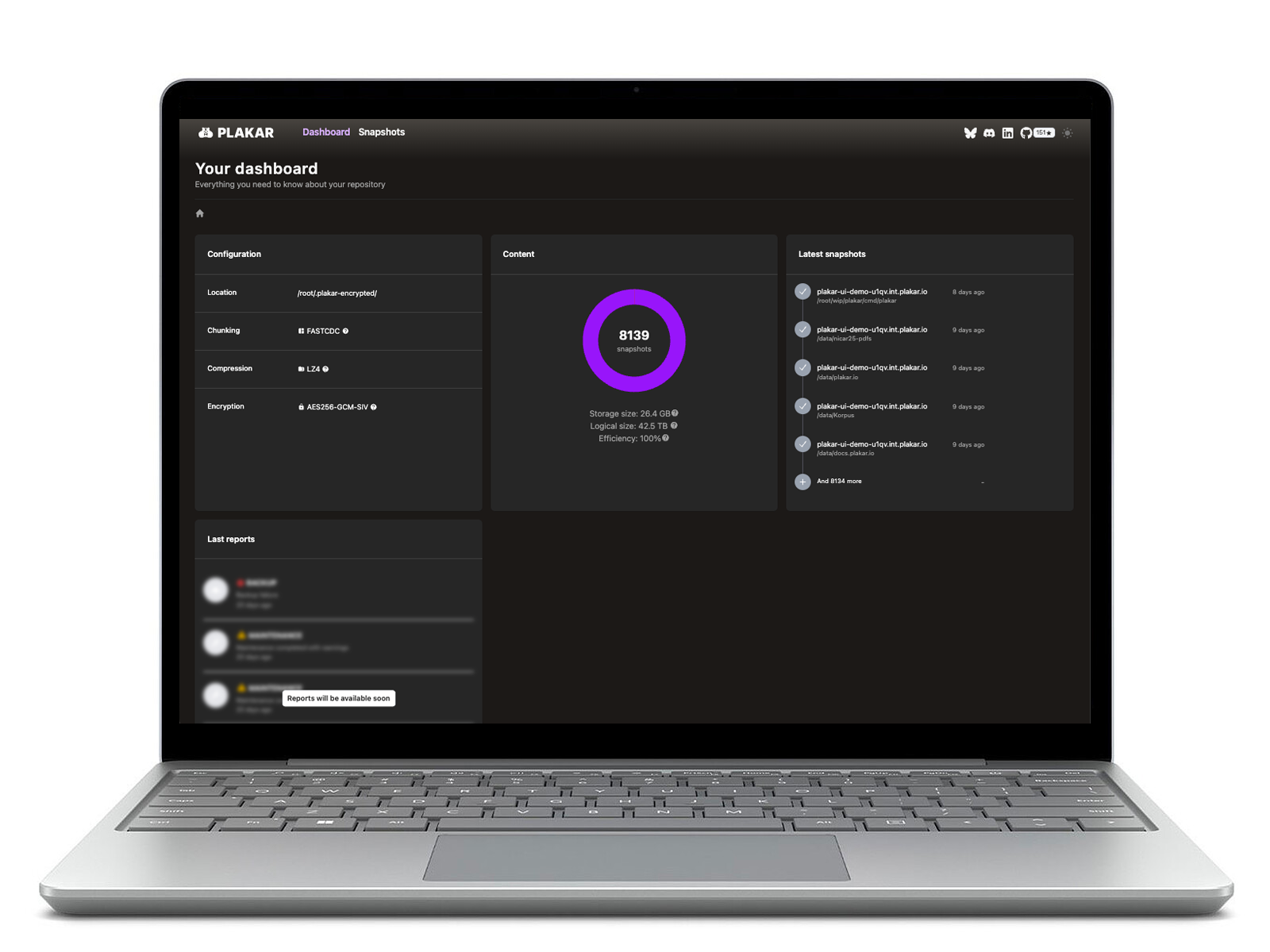
Plakar also allows direct inspection of your backups. You can browse, search, and verify snapshot contents through the CLI or UI without performing a full restore.
How Plakar secures your OpenDrive workflows
Plakar integrates with OpenDrive as a flexible bridge for your data:
- Source Connector: Take snapshots of your OpenDrive files and store them in a secure Plakar Kloset.
- Storage Connector: Use OpenDrive as a vault to store encrypted and deduplicated Plakar backups from other sources.
- Destination Connector: Restore verified snapshots back into OpenDrive when needed.
Plakar uses deduplication to minimize storage usage and bandwidth while preserving full snapshot history. This approach ensures your OpenDrive data remains resilient, verifiable, and easily recoverable.